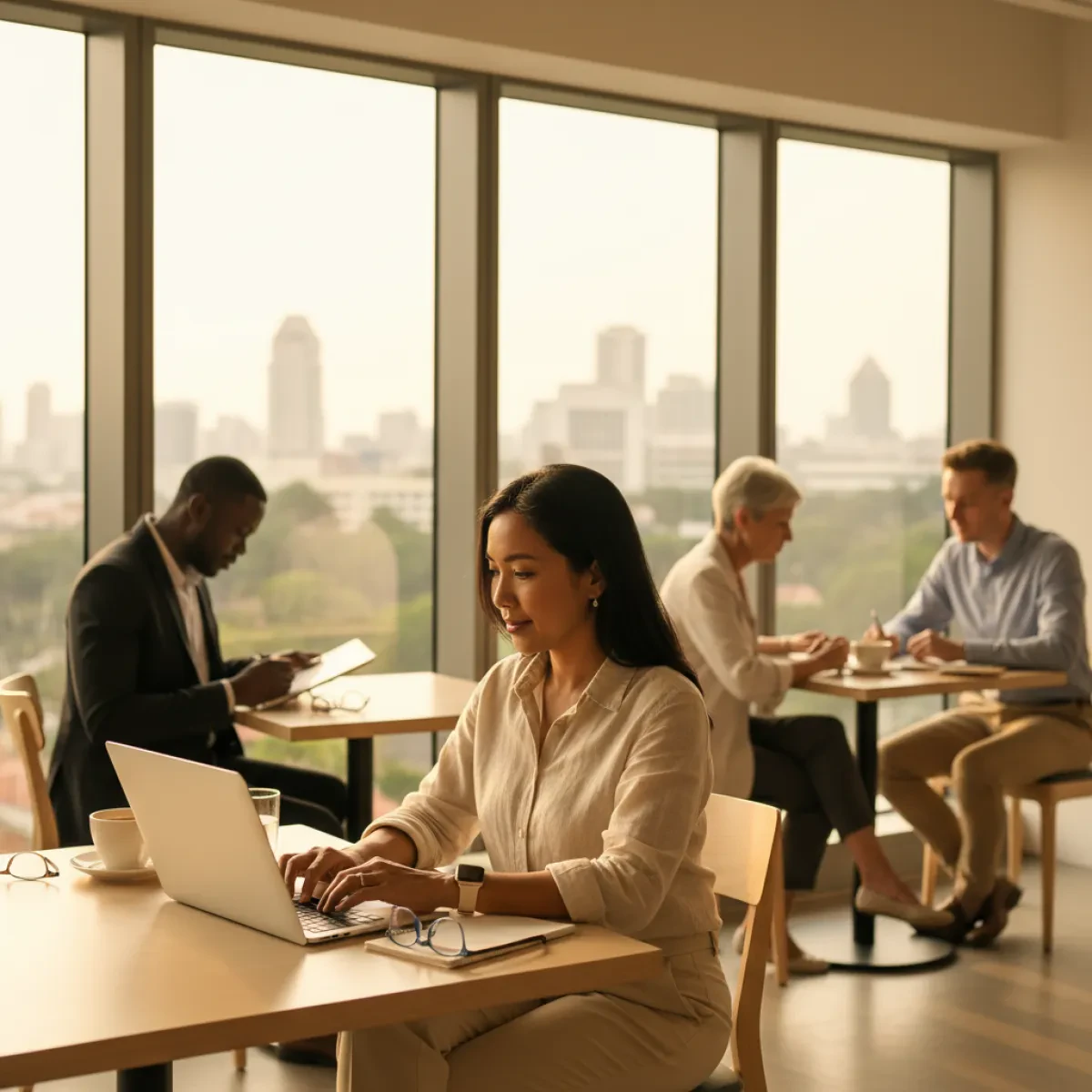
- Singapore's geographic position necessitates ultra-long-haul travel, placing unique strain on the musculoskeletal system.
- The "text neck" phenomenon is exacerbated by working from tray tables and non-ergonomic hotel desks.
- Portable ergonomic gear is becoming as essential as the passport for frequent flyers.
- Active transit strategies at hubs like Changi or Doha can mitigate the effects of prolonged sitting.
For business professionals based in Singapore, the concept of a "short trip" is relative. While flights to Kuala Lumpur or Jakarta are brief, accessing major global financial hubs like London, New York, or San Francisco often involves flight times exceeding 12 to 18 hours. This geographic reality turns the Singaporean executive into an endurance athlete of the sedentary world.
The physical toll of this lifestyle is significant. Prolonged static posture in pressurized cabins, combined with the makeshift ergonomics of airport lounges and hotel rooms, creates a perfect storm for musculoskeletal issues. For the modern road warrior, maintaining postural health is not merely about comfort; it is a critical component of professional longevity.
The Physiology of the Ultra-Long Haul
The human body is not designed for the 18-hour sitting marathon required by the Singapore-New York route. According to occupational health research, prolonged sitting compresses the lumbar discs and restricts blood flow to the lower extremities. In the context of business travel, this is compounded by the use of laptops in confined spaces.
When working from an aircraft tray table, the neck typically flexes forward at a 45-degree angle. This posture increases the effective weight of the head from roughly 5kg to nearly 22kg, placing immense strain on the cervical spine. Over time, this repetitive strain can lead to chronic issues often labeled as "tech neck."
Cabin Ergonomics: Mitigating the Damage
While Business and First Class offer lie-flat options that alleviate spinal compression, many professionals travel in Economy or Premium Economy where vertical posture is mandatory. In these scenarios, the primary goal is neutral spine alignment.
- Lumbar Support: Aircraft seats are often concave, forcing the lower back into a rounded position (kyphosis). Using a firm travel pillow or even a rolled-up airline blanket behind the lower back can help maintain the natural lumbar curve.
- Screen Height: To avoid excessive neck flexion, experienced travelers often use the seat-back entertainment system to prop up tablets or phones for viewing, rather than looking down at a device in the lap.
- Foot Placement: Keeping feet flat on the floor is essential for pelvic alignment. For shorter travelers, using a footrest (or a carry-on bag) can prevent the legs from dangling, which reduces pressure on the hamstrings and improves circulation.
For a deeper dive into sitting mechanics, review our guide on Scandinavian Ergonomics: Proper Sitting Posture for Remote Work Success, which details the principles of active sitting that can be adapted for travel.
The Hotel Room Workstation Trap
Upon arrival, the challenge shifts from the aircraft to the hotel room. Despite marketing claims of "business-friendly" amenities, hotel room ergonomics are notoriously poor. Desks are often too high, lighting is dim, and chairs rarely offer adjustable lumbar support or armrests.
Working for eight hours from a dining chair or sitting cross-legged on a hotel bed is a common precursor to back pain. The principles of optimizing compact spaces apply directly here. Professionals are increasingly traveling with portable laptop stands and compact external keyboards. This equipment allows the laptop screen to be raised to eye level, mimicking a proper desktop setup and keeping the neck neutral.
Modification Tactics for Hotel Rooms
If specialized gear is not available, environmental modifications are necessary:
- Raise the Laptop: Use a stack of sturdy books or the room service tray (inverted) to elevate the laptop screen.
- Support the Back: Use extra pillows from the bed to create a firmer backrest if the desk chair is too deep or soft.
- Lighting: Move the desk near a window if possible. Natural light reduces eye strain, which indirectly helps posture by preventing the tendency to lean forward to squint at the screen.
Active Transit: utilizing the Layover
For travelers connecting through major hubs, the layover presents a critical opportunity for physiological recovery. Rather than moving from an aircraft seat to a lounge chair, experts suggest using this time for active decompression.
Changi Airport, for example, offers extensive walking trails and butterfly gardens. Walking helps realign the pelvis and engages the gluteal muscles, which often become dormant during long flights. Simple standing stretches that target the hip flexors and chest can help counteract the "curled forward" posture of travel.
The Role of Cultural Context
It is also worth noting that postural expectations vary globally. In some cultures, rigid posture is a sign of professionalism, while in others, a relaxed stance is acceptable. However, the biological imperative remains constant. For those transitioning careers, such as moving into Singapore Fintech roles, maintaining physical health is as vital as mastering the local business etiquette. A professional in pain is rarely performing at peak cognitive capacity.
When to Seek Professional Help
While ergonomic strategies can mitigate risk, they are not a substitute for medical care. Persistent numbness, radiating pain, or severe stiffness should be evaluated by a healthcare professional. Many corporate insurance policies covering Singaporean expatriates include provisions for physiotherapy. It is advisable to review these benefits before travel.
Disclaimer: This article provides general information regarding ergonomic practices and is not intended as medical advice. If you experience persistent pain or discomfort, consult a qualified physician or physiotherapist.