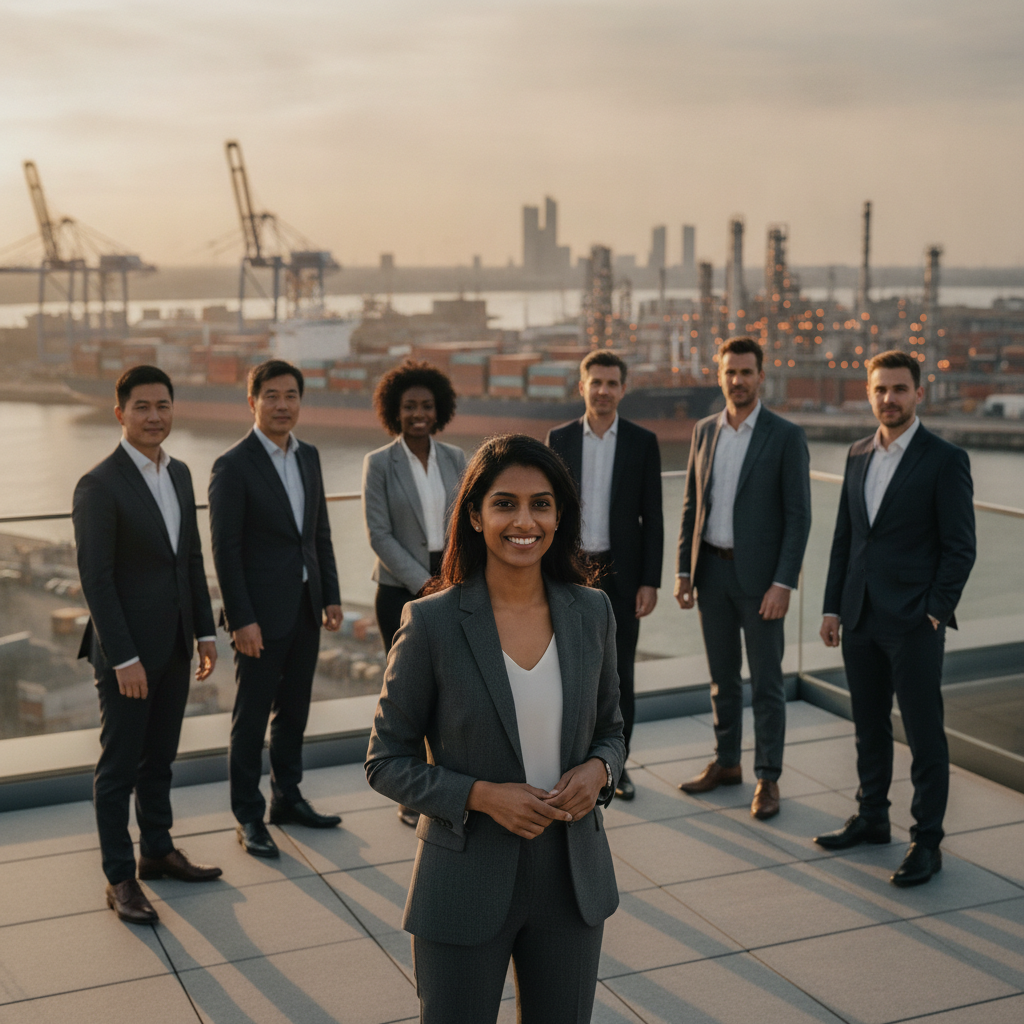
- Lifestyle Shift: Offshore roles typically follow a 2-weeks-on/2-weeks-off rotation, ideal for commuters, while onshore grid positions offer a standard 37-hour Danish work week with daily family presence.
- Location Dynamics: The offshore sector is centered around Esbjerg and Rønne (Bornholm), whereas grid roles cluster near Fredericia, Vejle, and Copenhagen.
- Compensation Structure: Offshore packages often include significant hazard pay and tax allowances, while onshore roles emphasize stability, pension contributions, and work-life balance benefits.
- 2026 Skills Demand: HVDC transmission and floating wind technologies dominate offshore needs; onshore demand focuses on grid integration, smart metering, and Power-to-X infrastructure.
Denmark remains the global epicenter of wind energy innovation in 2026. For international engineers, however, the decision to relocate is rarely just about the technology. It is a choice between two distinct lifestyles: the rugged, high-intensity world of Offshore Wind (the Blue Frontier) and the stable, community-integrated environment of the Onshore Grid (the Green Backbone).
As the country accelerates its Energy Island projects in the North Sea and Baltic Sea, the demand for specialized engineering talent has surged. Yet, the daily reality of working on a service operation vessel (SOV) differs vastly from managing grid distribution from a corporate office in Jutland. This guide analyses the professional and personal trade-offs of each path.
Sector Overview: The 2026 Landscape
The Danish energy sector is currently defined by the integration of massive offshore capacity with a grid that must handle intermittent power. According to 2026 industry reports from Green Power Denmark, the sector faces a dual shortage: technicians for the sea and planners for the land.
The Blue Frontier (Offshore Wind)
This sector is characterized by project-based intensity. It appeals to engineers who thrive in dynamic environments and can handle physical isolation. The primary hubs are the Port of Esbjerg on the west coast and the growing operations in Rønne on Bornholm.
The Green Backbone (Onshore Grid)
Focused on transmission, distribution, and the burgeoning Power-to-X industry, this sector offers a more traditional corporate structure. Key employers like Energinet and Ørsted's onshore divisions are headquartered in major urban centers or strategic grid hubs like Fredericia.
Comparative Analysis: Lifestyle and Logistics
When evaluating an international move, understanding the daily rhythm is as critical as the salary. The following table outlines the structural differences between the two paths.
| Feature | Offshore Wind (Marine) | Onshore Grid (Urban/Suburban) |
|---|---|---|
| Work Schedule | Rotational (e.g., 14 days on, 14 days off). 12-hour shifts are common. | Standard 37-hour week. Flexitime and remote options (2-3 days home). |
| Primary Hubs | Esbjerg, Rønne, Hvide Sande. | Copenhagen, Aarhus, Fredericia, Vejle. |
| Housing Needs | Flexible. You can live anywhere (even outside Denmark) during off-shifts. | Fixed. Requires permanent residence near the office or commuting distance. |
| Salary Structure | Base + Offshore Allowance + Hazard Pay. High saving potential while at sea. | High Base + Pension (typ. 10-15%). Lower variable pay. |
Deep Dive: The Offshore Lifestyle
For many international engineers, the offshore rotation is a lucrative way to enter the Danish market without immediately uprooting a family to a new municipality. The "fly-in, fly-out" (FIFO) model allows professionals to maintain a base in their home country or live in cheaper regions of Denmark, commuting to Esbjerg only for departure.
However, the psychological demands are significant. Life on an SOV or a converter platform is regimented. You are living with your colleagues 24/7. As noted in recent maritime HR studies, successful candidates possess high emotional intelligence and the ability to decompress in confined shared spaces. For those interested in broader industrial trends, reading about Green Tech vs. Traditional Energy offers further context on how these roles compare globally.
Key Skills for 2026 Offshore Roles
- HVDC Systems Engineering: Critical for the new energy islands connecting multiple national grids.
- Marine Structural Integrity: Monitoring floating foundations in harsh North Sea conditions.
- GWO Safety Certification: A non-negotiable prerequisite, often requiring physical fitness tests.
Deep Dive: The Onshore Grid Lifestyle
Onshore roles offer the quintessential Danish work-life balance. Engineers in this sector typically work 8:00 to 16:00, leaving ample time for family, hobbies, and integration into local society. This path is often preferred by professionals relocating with spouses and children, as it provides daily stability and access to international schools in major cities.
The trade-off is often the cost of living. Hubs like Copenhagen and Aarhus are expensive. Housing competition is fierce. Engineers relocating here must budget carefully. For a comparative perspective on relocation costs in Europe, see our guide on Budgeting for Relocation.
Key Skills for 2026 Onshore Roles
- Power Systems Analysis (PSS/E, DIgSILENT): Essential for integrating variable renewable loads.
- Project Management: Coordinating land acquisition, environmental permits, and community stakeholder engagement.
- Cybersecurity for OT: Protecting critical grid infrastructure from digital threats.
Salary and Taxation Considerations
Denmark's taxation is high, but the Researcher Tax Scheme (often called the "expat scheme") remains a powerful draw in 2026. Qualifying engineers earning above a monthly threshold (adjusted annually) can pay a flat rate of roughly 27% plus labor market contributions for up to seven years. This applies to both offshore and onshore roles, provided the employment contract is with a Danish entity.
Offshore workers may also encounter specific tax deductions related to travel and victualing, but these rules are complex. It is generally advisable to consult a tax specialist. While we cannot offer financial advice, understanding salary trends is vital; our analysis of salary structures in other tech sectors highlights the importance of looking beyond the base number to the full package.
Which Path Suits You?
Choosing between wind and grid often comes down to your life stage and personality type.
Choose Offshore if:
- You are single or your partner is independent and supports a rotational lifestyle.
- You want to maximize savings by reducing daily living costs (food and accommodation are provided for two weeks a month).
- You thrive in high-intensity, operational environments and dislike the 9-to-5 routine.
Choose Onshore if:
- You are moving with children and want to be present for school runs and dinners.
- You prefer strategic, long-term planning roles over operational troubleshooting.
- You want to fully integrate into Danish culture, learn the language, and build a local social circle.
Integration and Soft Skills
Regardless of the track, soft skills are paramount. The Danish workplace is flat and consensus-driven. 'Hygge' (coziness) translates to a friendly, informal, yet highly professional atmosphere. Being able to communicate directly without being confrontational is a key asset. For insights on adapting to new professional cultures, review our guide on Interview Training Methodologies, which covers universal principles of cultural adaptation.
Furthermore, office ergonomics and health are taken seriously in Scandinavia. Whether you are in a control room or a design office, understanding Scandinavian ergonomics is part of the workplace culture.
Conclusion
In 2026, Denmark offers two compelling but divergent paths for energy engineers. The offshore sector promises adventure, high financial rewards, and a front-row seat to engineering history in the North Sea. The onshore sector offers stability, profound work-life balance, and the chance to build a long-term home in one of the world's happiest countries. Your choice should align not just with your technical expertise, but with the life you wish to build when the shift ends.